
Sign up for our newsletter:
RESOURCES
|
Grant Information2024 Emergency Responder Health & Wellness Grant - *CLOSED*
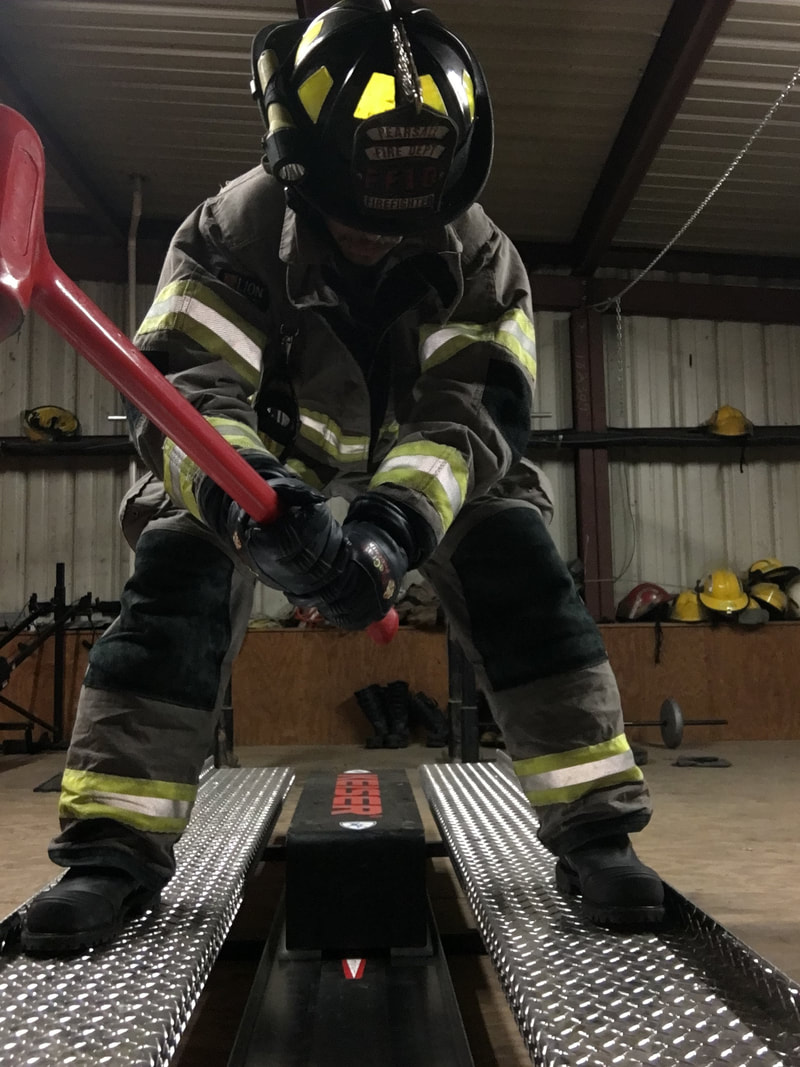
*See List of 2024 Grant Recipients* VFIS of Texas and Texas Mutual Insurance Company are once again pleased to sponsor a need-based Health & Wellness Grant program for fire departments and non-profit EMS organizations in Texas. Grants up to $5,000 will be awarded based on financial need and are intended to assist emergency service organizations in developing a health & wellness program to prevent emergency responder deaths and injuries and for cancer prevention. Departments will need to apply for the grant, expend the funds and then send in copies of receipts in order to receive the grant funds. Grant Application Deadline is December 31, 2023. Who is eligible:
What is eligible:
How it works:
2023 Rural Volunteer Fire Department Insurance Program (HB 3667) - NOW OPEN!
The Rural Volunteer Fire Department Insurance Program (HB 3667) is a grant program designed to reimburse eligible volunteer fire departments for the purchase of insurance from private insurance companies. Eligible coverage includes any combination of compensation insurance for firefighters (workers’ compensation, accidental death and dismemberment, group term life, accident and sickness, and/or cancer-related insurance) purchased from Texas insurance companies. The program will reimburse 100% of the actual cost of eligible insurance coverage up to a maximum of $190 per fire department member. Recognized, non-profit volunteer fire departments operated by its members are eligible. Any part-paid/part-volunteer department is also eligible, provided the number of paid members is 20 or less. Departments may enter into agreements with cities or counties in order to qualify for coverage and/or special premiums. All eligible departments must participate in a firefighter certification program administered under Section 419.071 of the Texas Government Code (Texas Commission on Fire Protection), or by the State Firemen’s and Fire Marshal’s Association of Texas (SFFMA), or by the National Wildfire Coordinating Group (NWCG). IMPORTANT NOTES:
Rural Volunteer Fire Department Assistant Program (HB 2604)
The Texas Rural VFD Assistance Program provides funding to rural VFDs for the acquisition of firefighting vehicles, fire and rescue equipment, protective clothing, dry-hydrants, computer systems and firefighter training. It is a cost-share program funded by the Texas State Legislature. Since its inception in 2002, the program has been extremely successful in helping fire departments get the vehicles, training, and equipment that they would otherwise not have access to. Due to the usefulness of the program, we are experiencing significant demand in excess of $200 million in outstanding requests, while currently being funded at $16.2 million per year. Therefore, while we would like to fund every request, it unfortunately takes some time to help every department in need. Active Declared States of Disaster - Summer 2024 238 - Severe Wildfire | July 24 - September 15 Emergency Application - APPLY HERE Volunteer Recruitment Resources Grant - APPLY HERE Texas Department of State Health Services
The DSHS Office of Emergency Medical Services Trauma System Coordination is responsible for managing Local Projects Grant (LPG) funding. Eligible organizations include department licensed EMS providers, department registered first responder organizations, Regional EMS/Trauma Advisory Councils (RACs), approved EMS education organizations, and pre-hospital injury prevention organizations. Funding is available for EMS personnel certification training, specialty training related to pre-hospital health care management, communication equipment, patient care equipment and non-disposable supplies, injury-prevention projects, continuing education programs and the purchase of an ambulance. For more information, click here. Assistance to Firefighters Grant
The primary goal of the Assistance to Firefighters Grants (AFG) is to meet the firefighting and emergency response needs of fire departments and nonaffiliated emergency medical services organizations. Since 2001, AFG has helped firefighters and other first responders to obtain critically needed equipment, protective gear, emergency vehicles, training, and other resources needed to protect the public and emergency personnel from fire and related hazards. The Office of Grants and Training in the Department of Homeland Security administers the grants in cooperation with the U.S. Fire Administration. For fiscal year 2005, Congress reauthorized the Assistance to Firefighters Grants for an additional 5 years through 2010. For more information, click here. (www.firegrantsupport.com/afg/) Staffing for Adequate Fire and Emergency Response The purpose of the Staffing for Adequate Fire and Emergency Response (SAFER) grants is to help fire departments increase the number of frontline firefighters. The goal is for fire departments to increase their staffing and deployment capabilities and ultimately attain 24-hour staffing, thus assuring that their communities have adequate protection from fire and fire-related hazards. The SAFER grants support two specific activities: (1) the hiring of firefighters, and (2) recruitment and retention of volunteer firefighters. The hiring of firefighters activity provides grants to pay for part of the salaries of newly hired firefighters over the 5-year program. SAFER is part of the Assistance to Firefighters Grants and is under the purview of the Office of Grants and Training of the Department of Homeland Security. For more information, click here. (www.firegrantsupport.com/safer/). Governor's Extraordinary Emergency Fund
Funding is available to support the emergent, unexpected needs of EMS providers or DSHS-approved organizations. Proposals are evaluated based on impact to the regional or statewide EMS/trauma system. Eligible applications include licensed EMS providers, registered first responder organizations and licensed hospitals. For more information, click here. |

© 2024 WinStar Insurance Group
13625 Ronald W. Reagan Blvd. Building 3, Suite 100 Cedar Park, Texas 78613 (512) 448-9928 [email protected] |
Home | About Us | Insurance | Training | Life & Health | Resources | Claims | News | Contact Us | Mission & Values | Privacy Statement
|


|

IMPORTANT NOTE: This Web site provides only a simplified description of coverages and is not a statement of contract. Coverage may not apply in all states. For complete details of coverages, conditions, limits and losses not covered, be sure to read the policy, including all endorsements, or prospectus, if applicable. Coverage CANNOT be bound, amended, or altered by leaving a message on, or relying upon, information in this Website or through E-Mail.
Licensed & doing business in the following states only: Texas, Oklahoma, New Mexico, Arkansas, & Mississippi
Licensed & doing business in the following states only: Texas, Oklahoma, New Mexico, Arkansas, & Mississippi